About
KLIKOR
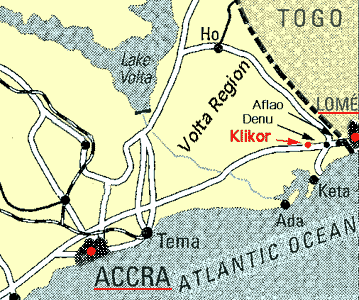
Klikor is a historic town situated in the Ketu South Municipality of the Volta Region of Ghana. It lies in the southeastern part of the country, near the border with Togo. The town is part of the Anlo-Ewe ethnic and cultural group
The town is surrounded by smaller communities and farmlands, with a local economy supported by trade, farming, and cultural tourism.
Klikor's strategic location provides a link to visitors and tourists from Togo Benin and Nigeria to come worship Torgbui Adzima and Mama Vena.
Key Facts About Klikor:
Hosts the annual Trornu Festival in July August
Klikor is not just a geographic location—it is a living tradition rooted in spirituality, identity, and cultural resilience. Its history and customs continue to inspire both locals and visitors who seek a deeper understanding of Ghana’s spiritual and cultural landscape.
About the Klikor Shrine
1700
Our Story
For over 300 years, the Klikor Torgbui Adzima and Mama Vena shrines have stood as a sacred spiritual center in the Klikor Traditional Area of Ghana's Volta Region. Rooted in the deep ancestral wisdom of the Ewe people, the shrines were established following our migration from Notsie in present-day Togo, and remains one of the most powerful traditional religious places in West Africa.
- At the heart of the shrine are two revered deities:
- Torgbui Adzima, the fierce warrior god of protection, justice, and truth.
- Mama Vena, the nurturing spiritual mother and protector of women, children, and the earth.
- Together, they form a divine balance of strength and compassion, guarding and guiding the land and its people.
Stats
Average monthly visitors
Average Yearly Visitors
Av. Cases handled a year
Court board members
Our Purpose and Role
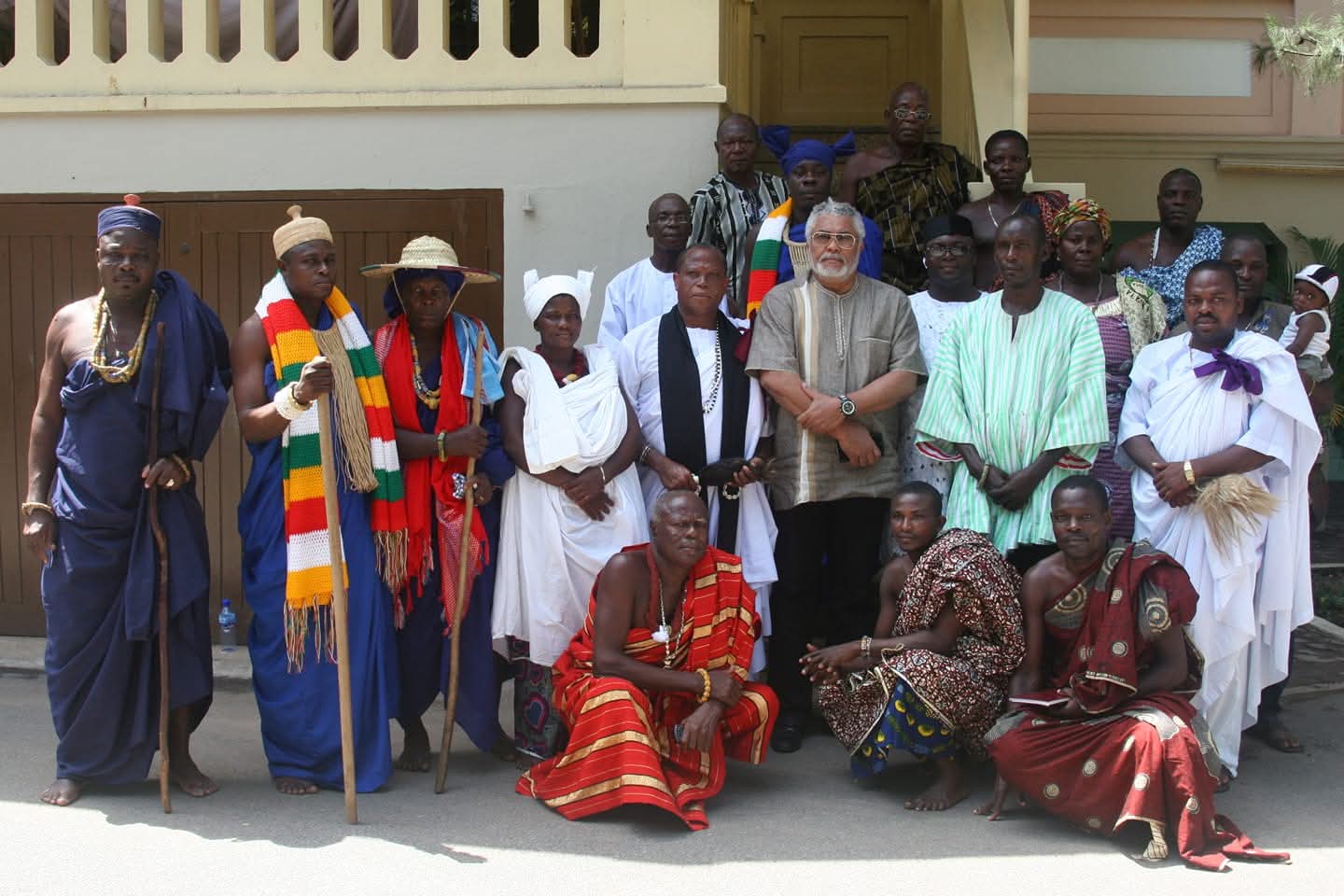
The shrine serves not only Klikor but also communities across Ghana, Togo, Benin, and beyond. The Fetish Priest, chosen through ancestral guidance, leads all spiritual rites, consultations, and rituals on behalf of the gods.
Visitors and devotees come to the shrine to:
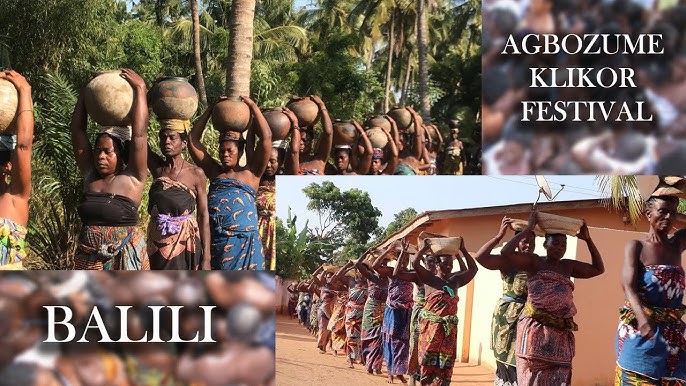
Participate in communal rituals during the Fiasidi festival, including Tagbayiyi, Balili, Kportortor, and Gbordada.
These rituals are deeply symbolic acts of repentance, thanksgiving, and renewal, passed down from generation to generation.
Living Tradition Through Sacred Performance
The rituals of Klikor are more than ceremonies — they are living expressions of the people's faith, history, and connection to the divine. Through sacred performance, the spirits speak, and the ancestors dance among us.
Dance as Devotion
“Every step, every beat and drum is a message of reverence to the gods.”
Unity in Ritual Movement
Rituals like Balili and Kportortor involve entire groups acting in harmony — men, women, and youth — to honor the gods and protect the land.
Symbols That Speak
“What the mouth cannot say, the calabash and broom reveal.”
Costumes, amulets, brooms, stools, and ritual items are full of meaning, each one chosen for its ancestral and spiritual significance.
Songs to the Spirit
Our Traditional songs and chants we do in Ewe call on the deities, recount the past, and affirm the spiritual power of the Klikor people.
